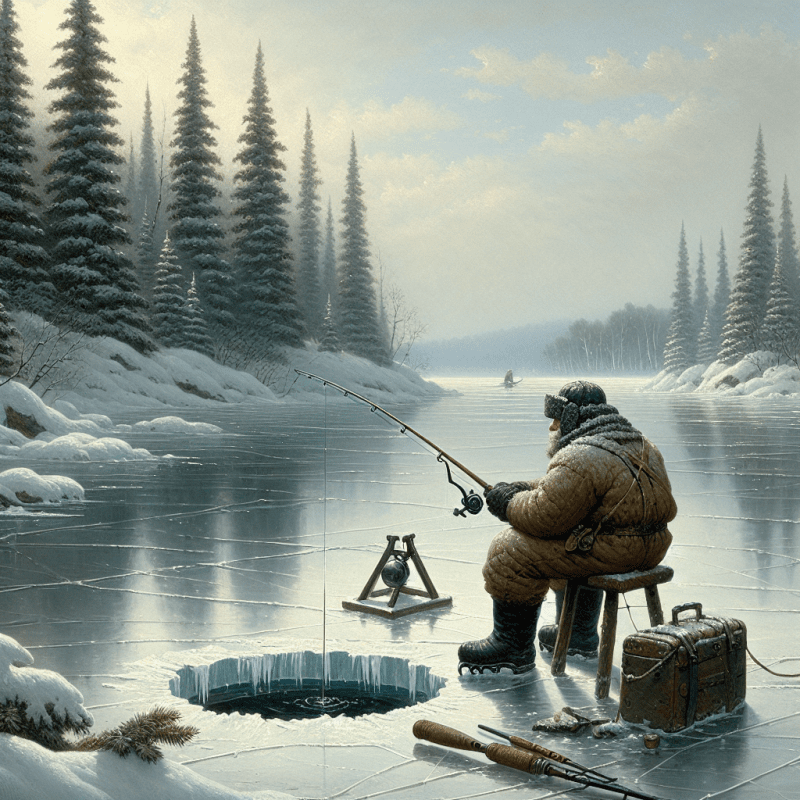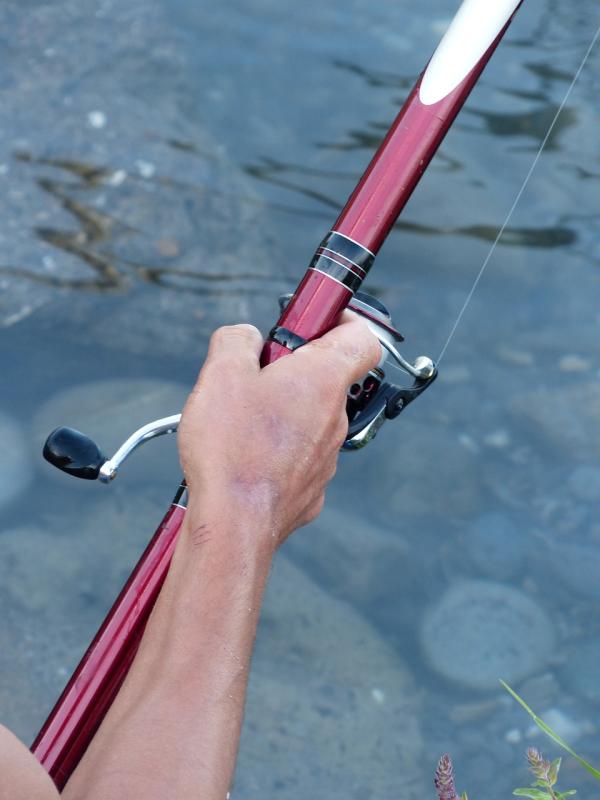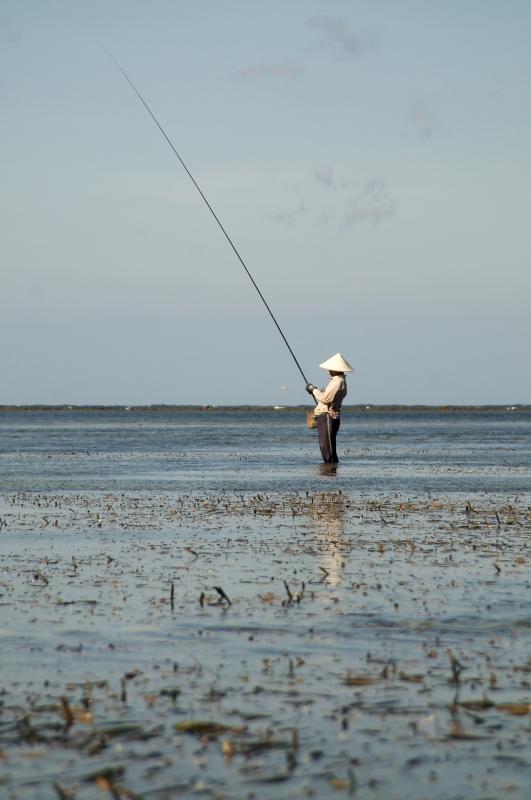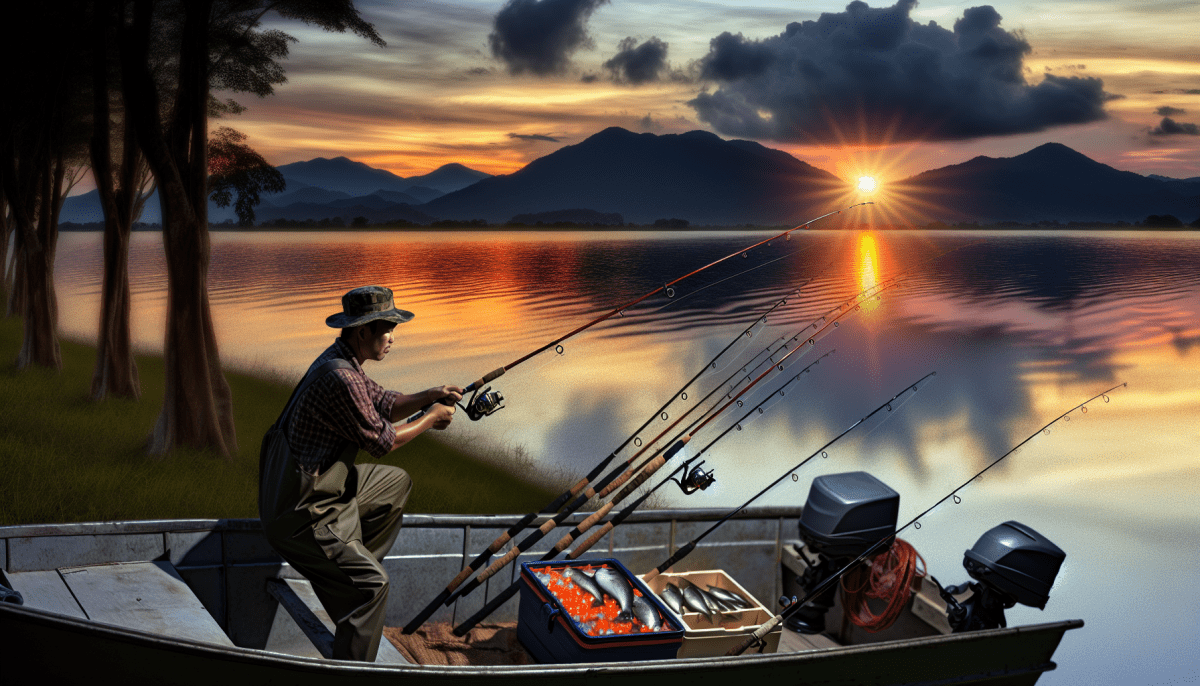
Getting started with fishing is easier than you think! No fancy gear is required to dive in. Grab a rod, some bait, and you're good to go. If you're feeling overwhelmed by all the options out there, don't stress. Just keep it simple. A basic spinning rod and reel combo is a great choice for beginners. It's user-friendly and handles a variety of fishing situations.
Before you hit the water, it's crucial to learn about local fishing regulations. Each state or region can have different rules about what fish you can catch and where. Check for any required licenses, and make sure you stay within catch limits. It helps protect fish populations and keeps the sport enjoyable for everyone.
Now, let’s talk about bait. Live bait like worms or minnows usually work wonders, but artificial lures can also be super effective. If you're not sure what to use, ask locals or check out fishing forums for tips. Just remember to match your bait to the species you’re targeting.
When you're out on the water, try to observe the surroundings. Look for signs of fish, like jumping or surfacing. Casting your line near structures like rocks, weeds, or fallen trees often pays off since fish love to hang out there. Patience is key, so take your time and enjoy the experience!
Choosing the Right Fishing Gear
Picking out the right fishing gear can feel a bit overwhelming, but it doesn't have to be. Start with your fishing goals. Are you planning to catch big saltwater fish or just looking for a quiet afternoon at the local pond? Your answer will help narrow down your options.
First off, think about the type of fishing you'll be doing. For freshwater fishing, a light spinning rod usually does the trick. If you're heading to the ocean, you'll need something sturdier, like a surf rod. Knowing where you'll be fishing makes a big difference in what gear you need.
Next, consider your bait and tackle. Live bait, artificial lures, and flies all have their place, but it's essential to match your bait to the fish you're targeting. A good tackle box filled with a variety of hooks, weights, and lures can save you time and increase your chances of landing that big catch.
Don’t forget about accessories! A good fishing hat, polarized sunglasses, and a comfy pair of shoes can make all the difference. They help you stay comfortable and protect you from the sun, so you can focus on the fun part—catching fish!
Lastly, talk to other anglers or visit a local fishing shop. Getting recommendations can help you find exactly what you need. Everyone has their favorite gear, and you can learn a lot from their experiences. Happy fishing!
Finding the Best Fishing Spots
Start by talking to local anglers. They usually have the inside scoop on where the fish are biting. Whether it’s a hot fishing hole or a little-known river bend, locals can steer you in the right direction. Plus, it’s a great way to make new friends who share your passion for fishing!
Using fishing apps or websites is another easy way to find great spots. Many of them show recent catches and popular locations. Just search for fishing reports in your area, and you’ll be set! Some even give tips on the best bait to use.
Don’t forget to explore different types of water. Lakes, rivers, and oceans all have unique fish populations. Try different locations to see where you have the most success. Seasonal changes also affect fish behavior, so keep an eye on local conditions.
Lastly, remember that some days are just better than others. Even the best spots may not yield a catch every time. Stay patient, enjoy the scenery, and make the most of your time outdoors!
Tips for a Successful Fishing Trip
Planning a successful fishing trip? You’ll want to keep a few key tips in mind. Start with choosing the right spot. Do some research on local fishing regulations and the best lakes or rivers for the type of fish you’re after. Local bait shops can be goldmines for info, so don't hesitate to chat with the folks there.
Next, gear up! Pack the right tackle for the job. Make sure your rod and reel are suitable for the fish you're targeting. If you're going after bass, a medium-action rod is a good choice. If you're chasing trout, a light rod works well. Don't forget your tackle box; hooks, weights, and lures can make all the difference.
Timing matters too. Fish tend to be more active early in the morning or later in the evening. Plan your trip around these times to increase your chances of a big catch. Check the weather too. A sunny day might be lovely for you, but fish often prefer overcast or cloudy weather.
Lastly, keep your patience close at hand. Fishing can be a waiting game, and that's part of the fun! Bring snacks, a good book, or even a buddy for some laughs while you wait. Enjoy your time on the water, and remember, even if you don’t catch anything, you’re still having a fantastic day outdoors!