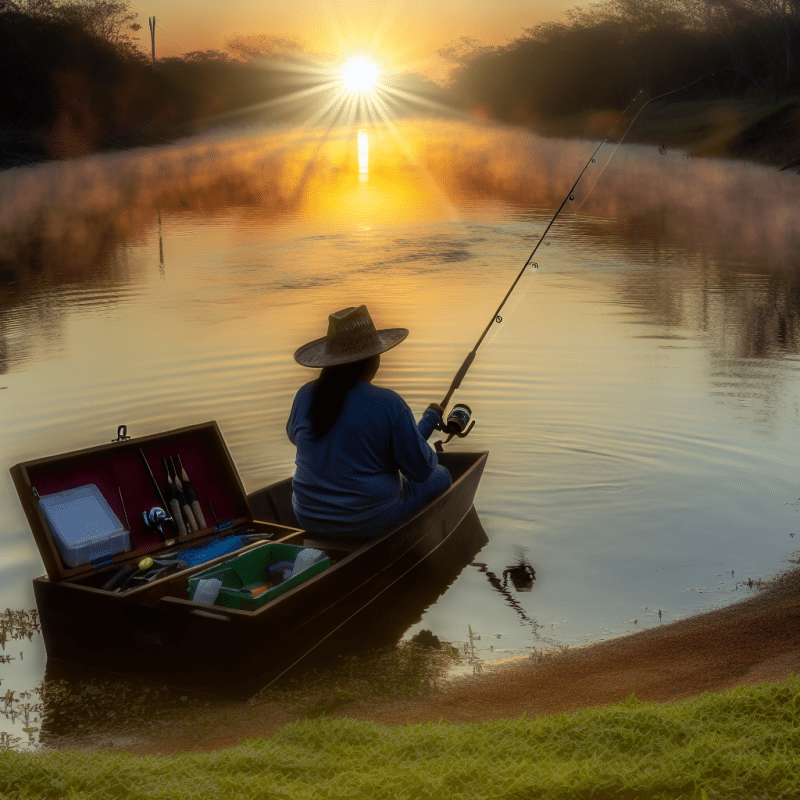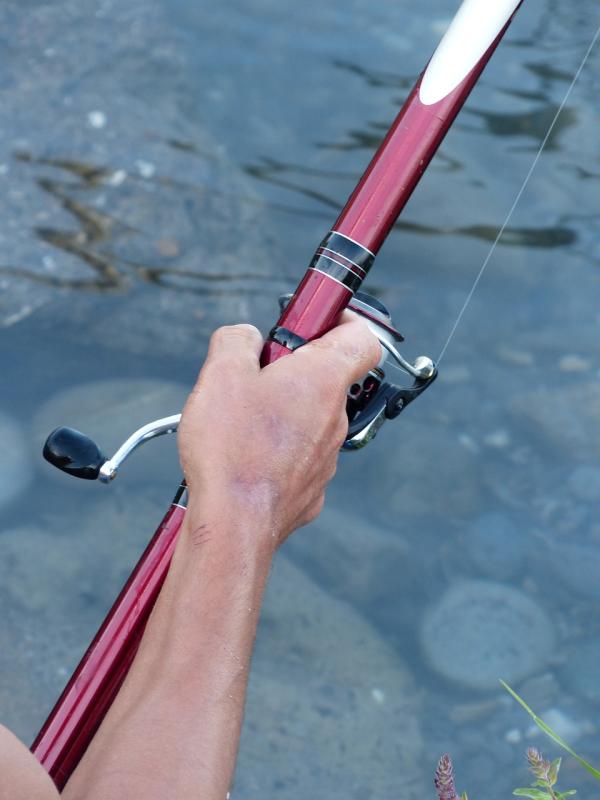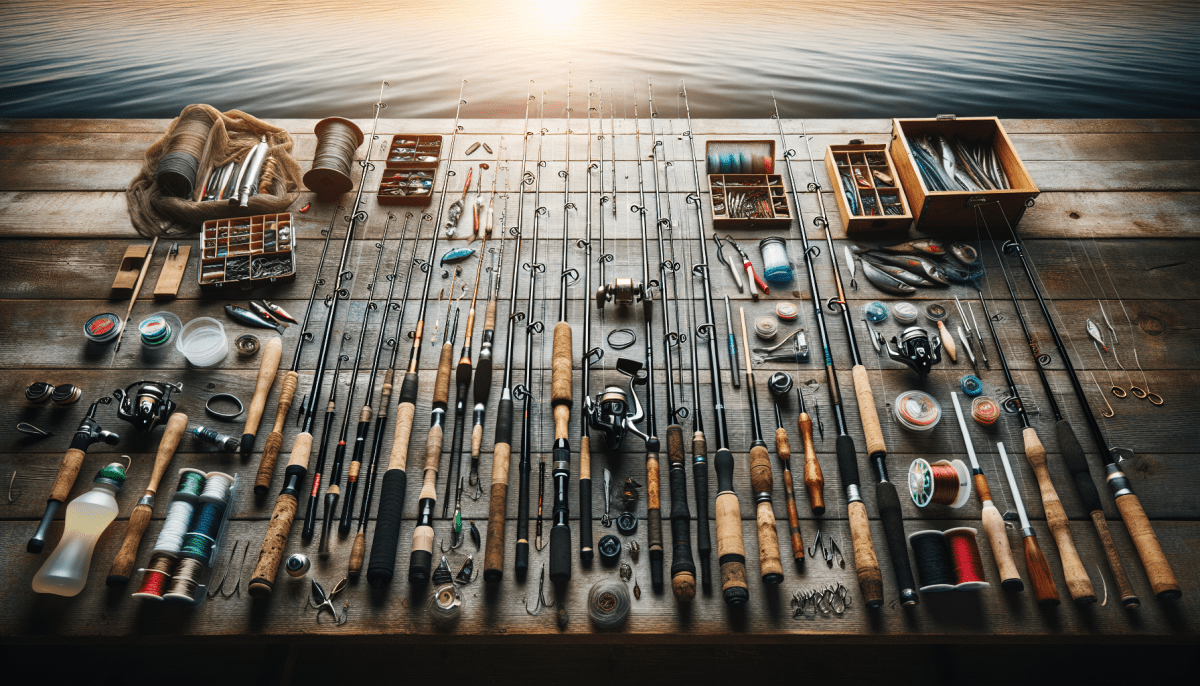
Choosing the right fishing rod can feel overwhelming with so many options out there. But don’t worry, I’ve got your back! Think about what type of fishing you want to do first. Are you going after bass in a lake, or maybe you’re aiming for a big catch in the ocean? The rod you pick should match your fishing style.
Next, consider the length of the rod. A longer rod can give you more casting distance and better leverage when reeling in fish. If you’re fishing from a boat, a shorter rod might be easier to handle. Rods usually range from 5 to 12 feet. Think about your comfort level and where you’ll be fishing.
Don’t forget about the action of the rod! This refers to how much it bends. A fast action rod bends closer to the tip and offers quick responsiveness. This is great for catching smaller, quicker fish. A slower action rod bends further down and is better for heavier, slower-moving fish. It’s important to pick one that matches the type of fish you’re after.
Finally, think about the power of the rod, which refers to its strength. Light power rods are great for panfish, while medium to heavy power rods work well for larger species. Make sure the rod can handle the weight of the fish you want to catch; no one wants a rod that can’t keep up!
Different Types of Fishing Rods Explained
When it comes to fishing rods, you’ve got options, and knowing your gear can make a big difference in your experience. Here’s a quick rundown of the different types of fishing rods you might encounter.
Spinning Rods are super popular, especially among beginners. They’re easy to use and versatile. Most folks pair them with spinning reels, making casting a breeze. You can catch everything from panfish to larger species without much fuss. Look for one that feels comfortable in your hands.
Baitcasting Rods are for those who like a little more control. They work well for heavier lures and target-specific fishing. If you’re casting into tight spots or looking for bigger fish, these rods give you the accuracy you need. Keep in mind, they take a bit of practice to master.
Fly Rods are a whole different ball game. They’re designed specifically for fly fishing and focus on casting lightweight flies. If you’re into catching trout or salmon in rivers, a fly rod can be your best friend. They come in various lengths and weights, so choose one based on the type of fishing you want to do.
Telescopic Rods are perfect if you’re short on space or always on the go. These rods collapse to fit in your backpack, making them super convenient for traveling. They’re not as powerful as some other types, but they work just fine for casual fishing trips.
Key Features to Look For in Rods
Choosing the right fishing rod can really make or break your time on the water. Here are some key features to keep in mind when picking one out.
Length: Rod length affects casting distance and accuracy. A longer rod (around 7 feet or more) helps you cast farther, while a shorter rod (around 5 to 6 feet) gives you more control in tight spots like rivers or heavy cover.
Power: This refers to the rod's strength and how much weight it can handle. Rods come in various power ratings like ultralight, light, medium, medium-heavy, and heavy. Think about the type of fish you're targeting; for example, you’ll want a heavier rod for big fish like bass or pike.
Action: The action is all about how flexible the rod is. Fast action rods flex mostly at the tip, giving quick response for hook sets. Slow action rods flex all the way down, which can be great for bait presentation. Choose based on your fishing style—slow action is perfect for newbies, while seasoned anglers might prefer fast action for more precision.
Material: Fishing rods generally come in fiberglass or graphite. Fiberglass is tough and flexible, making it great for beginners. Graphite rods are lighter and more sensitive, helping you feel even the tiniest nibbles. Pick what feels right for your fishing needs.
Caring for Your Fishing Rod Made Easy
Caring for your fishing rod doesn’t have to be a chore. Proper maintenance can make a huge difference in its performance and lifespan. Plus, it’s pretty straightforward once you get the hang of it.
After each fishing trip, give your rod a good rinse. Saltwater can be tough on gear, so make sure to wash it off with fresh water. A gentle spray works well to get rid of any debris and dirt. Wipe down any stainless-steel components with a soft cloth to prevent rust. It’s a quick step that pays off big time.
If you notice your line getting tangled or frayed, don’t skip replacing it. An old or damaged line can lead to that big catch slipping away. When storing your rod, avoid leaving it in direct sunlight or extreme temperatures. A rod rack or a protective case keeps it safe and ready for your next trip.
Check the guides and reel seat regularly. Make sure there aren’t any cracks or loose parts. A small issue can turn into a big headache during your fishing adventure. Just a quick inspection can save you a lot of trouble later on!